A suspected gas leak—even if you’re not sure—is always to be taken seriously. You must immediately take action for the safety of your home and family.
If you smell gas or are experiencing signs of a gas leak immediately exit the premises and contact 800-805-0659 or 9-1-1 for immediate assistance. All gas leaks potentially pose a serious threat.
Know the Signs that Something isn’t Right

Sniff Test
A smell like rotten eggs or skunk spray indicates you have a propane leak.
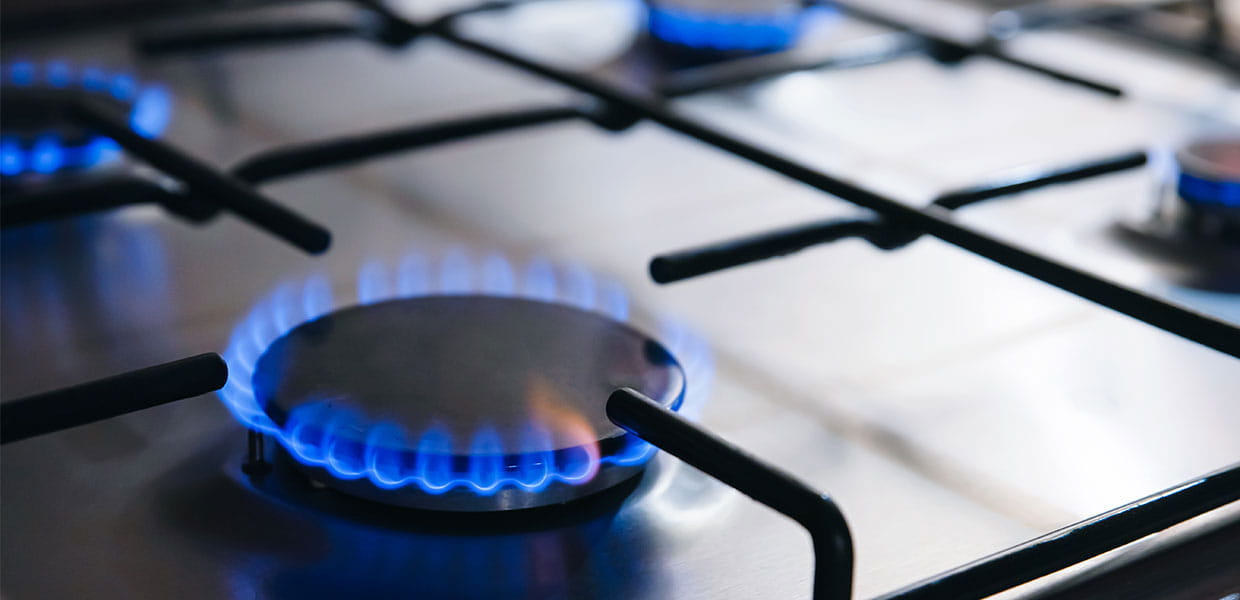
Yellow or Irregular Flames
Propane should always burn with a blue flame in your appliances. Yellow or irregular flames indicate that the propane isn’t burning properly, which could be a sign that carbon monoxide is being released.
Soot Buildup
Propane burns clean, so there should be no soot in or around your appliances. If there is, it’s an indication that the propane isn’t burning properly, which can result in carbon monoxide release.
What to do if you Smell a Gas Leak
Step 1 Report It
At a safe distance from the building with the gas leak, call AmeriGas right away at 1-800-805-0659. If you can’t reach us, call 911 or your local fire department.
Step 2 Ensure No Flames or Sparks
Immediately put out all smoking materials and other open flames. Do not operate lights, appliances, telephones, or cell phones. Flames or sparks from these sources can trigger an explosion or a fire.
Step 3 Turn off the Gas
Turn off the main gas supply valve on your propane tank, if it is safe to do so. To close the valve, turn it to the right (clockwise).
Step 4 Leave the Area
Get everyone out of the building or area where you suspect gas is leaking. Do not return until AmeriGas has confirmed that it’s safe.
Step 5 Get your System Checked
Before you attempt to use any of your propane appliances, AmeriGas must check your entire system to ensure that it is leak-free and safe to operate.
General Safety Precautions when using Propane
As a general rule, when in doubt, call us. Here are some general guidelines on what NOT to do, to make sure you're using your propane safely!
NEVER use outdoor propane appliances (including portable heaters, grills, and generators) indoors or in enclosed areas. This could result in carbon monoxide poisoning, extreme danger, or even death. Only use appliances that are designed and approved for indoor use.
NEVER store or place a propane cylinder indoors or in an enclosed area such as a basement, garage, shed, or tent. It is illegal and highly unsafe to store propane tanks indoors.
NEVER try to modify or repair valves, regulators, or other appliance parts.
NEVER turn on a light switch, use any power source, or inspect your household appliances while standing in water. This can result in electrocution.
NEVER store combustible materials near appliances.
ONLY inspect your propane appliances for water or other damage if it is safe to do so. If the appliances have electric components and have been exposed to water, they can create a fire hazard.
How to Use Propane Appliances Safely
Re-lighting your pilot light on your own can be dangerous. Please carefully follow all of the manufacturer's instructions and warnings concerning the appliance, and read the following list of precautions. You can contact our customer service team or appliance professional for further guidance.
NEVER:
- Allow any extra or unnecessary people (especially children) to remain in the room or area of the building where you are lighting a pilot.
- Smoke or have any source of ignition (such as flames or spark-producing materials) in the area before lighting the pilot.
- Exert force or use tools on the pilot light or its controls. This could cause damage and lead to gas leakage. Use only your hands to operate knobs, switches, or buttons.
- Apply oil to sticky or hard-to-use controls. If knobs, switches, or buttons are stuck, If any of these control elements are stuck, contact us and we’ll help safely fix them.
- Let air out of gas lines by opening a valve or fitting inside a building or enclosed space. You may release gas and not be able to smell it.
If you're leaving your home for an extended period of time, consider closing all your propane supply valves—including the main supply valve on your propane tank and the gas supply valves on each appliance.
When you come back, you MUST call AmeriGas to conduct a leak check before your propane supply is turned back on. After we confirm there are no leaks, we can also re-light your pilot lights if you need help.
In extreme heat, which often accompanies drought conditions, make sure the 10 foot radius around your propane tank and your propane grill is clear of flammable materials. Remove any debris that is combustible or easily ignited, including leaves, brush, any vegetation, and rags.
Floods can move, shift, or damage gas lines and tanks. A large propane tank can become dislodged from its service line and float away, striking trees, vehicles, or other heavy objects along its path. Water and debris can find their way inside regulators and controls, causing potential safety issues. Fallen trees and power lines can create extra safety concerns. If you have any doubts about your safety, leave the area immediately, alert AmeriGas or your utility company, and have your property inspected by a qualified building inspector or structural engineer before re-entering.
High winds and hail—often accompanying hurricanes, tornadoes, and winter storms—can move, shift, or damage gas lines and tanks. If your propane tank becomes dislodged from its service line, it’s likely to be leaking gas out into the surrounding area. A spark from a fallen power line or other ignition source could pose a danger to anyone nearby. Debris and water can find their way inside regulators and controls, causing potential safety issues. If you have any doubts about your safety, leave the area immediately, alert AmeriGas or your utility company, and have your property inspected by a qualified building inspector or structural engineer before re-entering.
If you smell gas or are experiencing signs of a gas leak immediately exit the premises and contact 800-805-0659 or 9-1-1 for immediate assistance. All gas leaks potentially pose a serious threat.
The best way to reduce the risk of carbon monoxide poisoning is to have a qualified service technician check your appliances and venting systems regularly.
Year-round, keep an eye out to make sure:
- Your chimneys, flues, and vents are free of debris, including leaves, animal nests, snow and ice, and other obstructions
- You're following the manufacturer's instructions for the placement and use of vent-free appliances, including fireplaces and logs
- You have a functioning, UL-listed carbon monoxide detector on every level of your home
- Your chimney flue damper is always open when you use your fireplace
NEVER:
Use a gas oven or range-top burners to provide space heating.
Use outdoor portable heaters inside, unless they are designed and approved for indoor use.
Use a barbecue grill (propane or charcoal) indoors for cooking or heating.
Run a propane fueled engine (such as your lawn mower, generator, or snow blower) in enclosed areas, including your garage.
If you smell gas or are experiencing signs of a gas leak immediately exit the premises and contact 800-805-0659 or 9-1-1 for immediate assistance. All gas leaks potentially pose a serious threat.
You'll need to get your propane grill tank re-certified periodically, depending on the tank. This is essential in order to keep your propane tank in safe operating condition. When you get a new grill tank from AmeriGas, it's already been certified. If you're concerned about an old tank, you can exchange it for a new one to be sure it's certified, or Contact AmeriGas for additional support.
If you smell gas or are experiencing signs of a gas leak immediately exit the premises and contact 800-805-0659 or 9-1-1 for immediate assistance. All gas leaks potentially pose a serious threat.
If the suspected leak is coming from a portable propane tank or grill tank, and it is safe to do so, turn off the cylinder valve, turning it to the right (clockwise). If you are unable to turn off the valve, immediately leave the area and dial 911 or call your local fire department. Before you use the grill again, have a qualified service technician inspect your grill and cylinder. It's best to move away from the source of the leak, and to ensure pets and people are not at close range.
Note: It is dangerous to touch propane as it will burn.
Learn More about Propane
Ready to become an AmeriGas customer? Get started with a custom quote.